


SeaSeaS is developing a strategic CO2 export terminal in the Port of Amsterdam, with access to multiple North Sea sinks.
Deep-water access and pipeline, rail, road and barge connections give emitters a route to storage for their captured fossil and biogenic CO2.


Pioneering CO2 logistics
SeaSeaS was founded by Kees van Seventer and Peter Boers, driven by a clear vision and understanding of a critical global need. As the world confronts climate change, every industry is urgently seeking viable pathways for decarbonisation. We identified a significant gap in the complex interplay of supply chain development, port logistics and infrastructure, and the safe and specialised storage and handling of gases like CO2. This unique niche, combined with our background, compelled us to act.
An open-access, multimodal terminal in the Port of Amsterdam, receiving CO2 by barge, truck, rail or pipeline and shipping it to North Sea storage (Circular Carbon Utilisation as an option). Designed for up to 3.5 Mtpa, with operations expected from 2030.
Reduce global warming by helping inland emitters build their CO2 supply chain: developing safe and critical routes to transport, store (in subsea sinks) or repurpose captured CO2 of both biogenic and non-biogenic origin.
Exolum joined SeaSeaS as minority shareholder in 2026. It brings experience in developing and operating large-scale logistics infrastructure, and expertise in storing and transporting liquid products, supporting a safe terminal that can expand as demand grows.
Working together with


Why emitters choose SeaSeaS
Flexibility in inbound transport modality, storage destination and timing, so you can build a feasible export route for your CO2.
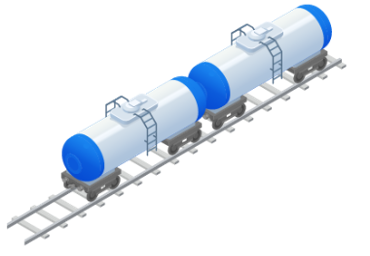
Open to all emitters. Deliver your liquid CO2 by barge, rail, truck or cryogenic pipeline, whether or not your site is connected to a CO2 pipeline network.
Select the North Sea storage site that best fits your supply chain or project, with increasing options to additional sites as they become available.
Starting at around 1 Mtpa in 2030 keeps the investment decision within reach of a few early customers. The terminal is designed to expand to 3.5 Mtpa as demand grows.

If other CO2 infrastructure is delayed, SeaSeaS gives your capture plant another route to permanent storage. Start sooner, and depend less on a single pipeline or storage project.
Emitters we work with
 Waste-to-energy Biogenic and fossil CO2 Mixed biogenic and fossil CO2, in large volumes.
 Cement Process emissions Process emissions from limestone that can’t be avoided.
 Lime producers Process emissions Process CO2 released when limestone is burnt into lime.
 Green gas producers Biogenic CO2 Concentrated biogenic CO2 released when biogas is upgraded to green gas.
 Bricks Process and fuel CO2 CO2 from firing clay bricks in kilns, from both the fuel and the clay itself.
 Paper Biogenic and fossil CO2 CO2 from the steam and power that paper mills need, often partly biogenic.
 BECCS Negative emissions Bio-energy with CCS: storing biogenic CO2 from biomass plants removes it from the atmosphere.
 Syngas Concentrated CO2 Concentrated CO2 separated when syngas is made from waste or biomass.
From your plant to permanent storage in five steps
Beyond developing the terminal, we work with emitters to design a practical CO2 logistics route, tailored to their location, volumes, timeline and storage requirements. Together with rail, barge and truck operators and North Sea storage providers, we promote a joint approach to identifying the most feasible transport and storage solution for your CO2.
You capture and liquefy CO2 at your site.
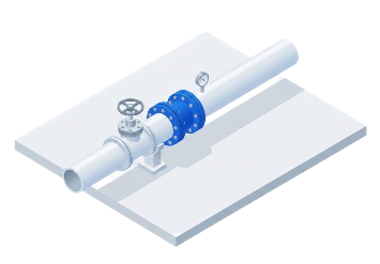
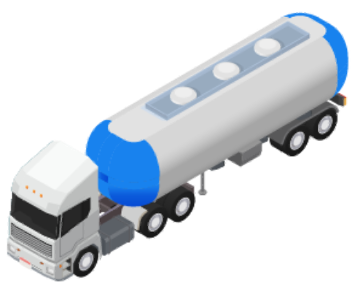
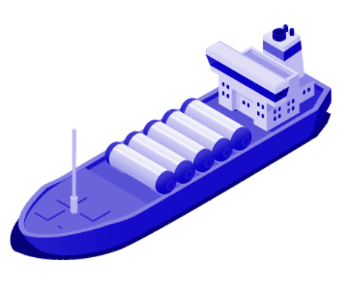
Pipeline, truck, rail or barge to Amsterdam.
Unloading, quality checks, buffer storage and conditioning.
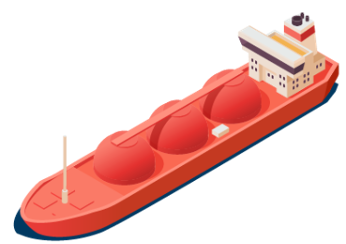
Loading onto dedicated CO2 carriers.
Permanent storage in North Sea sinks such as Northern Lights.
Your CO2 gateway at the BioPark site in the Port of Amsterdam
CO2 arrives by barge, rail and truck from the Dutch and German hinterland, or by pipeline from emitters in the Amsterdam port cluster. On our ~6 ha site it is buffered and loaded onto vessels of up to 12.5 m draught for transport to North Sea storage.

On track for first CO2 in 2030
Milestones achieved
The road ahead
The SeaSeaS team
An experienced core team with a track record in developing, building and operating cryogenic tank terminals, including GATE, CO2next, Vopak and Advario.
Plan your CO2 route with us
Planning to capture CO2 and exploring your transport and storage options? Talk to our team about your project and discover how SeaSeaS’ open-access terminal in the Port of Amsterdam can offer a flexible route to permanent storage.
SeaSeaS Office


